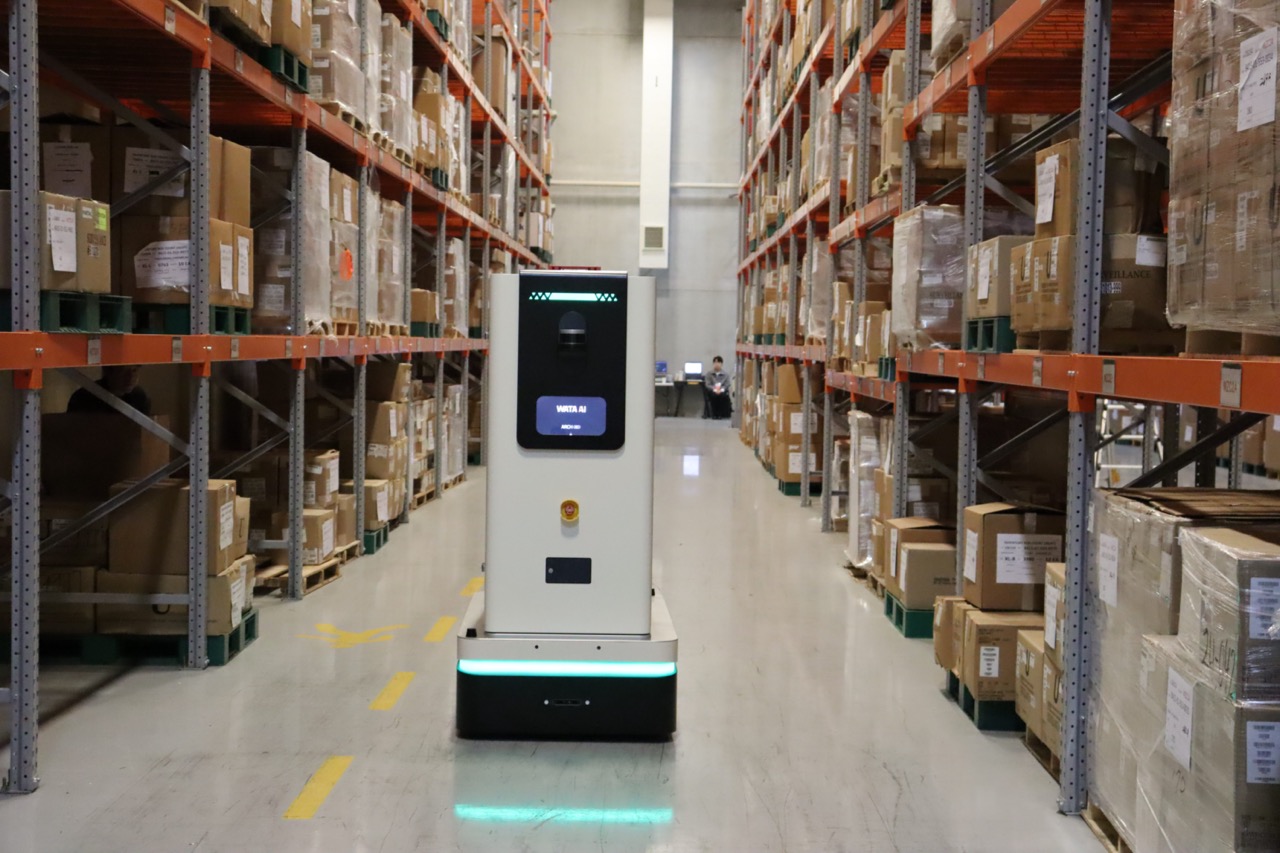
Warehouse automation decisions often hinge on future predictions, but these assumptions rarely remain constant. A recent webinar by Locus Robotics highlighted the importance of a flexibility-first approach in automation projects. The challenge, as discussed by the company, lies in the dynamic nature of warehouse operations, where volume, labor, SKU mix, and workflow requirements can change significantly over time.
Principles for Evaluating Automation
During the webinar on October 15, 2026, Locus Robotics introduced five key principles for evaluating automation in environments where requirements continue to change. These principles aim to address capacity, infrastructure, workflow adaptability, and financial flexibility. The webinar delved into how different approaches can impact an operation's ability to maintain performance over time.
Impact on Performance
The discussion focused on how adaptable strategies can help warehouses better manage uncertainties. For instance, flexibility in automation can enhance workflow adaptability, allowing operations to respond more effectively to changes in demand. This is particularly crucial in sectors like e-commerce, where demand patterns can fluctuate significantly.
Financial Considerations
Attendees learned that flexibility also improves financial resilience. By investing in automation systems that can be easily modified or scaled, companies can reduce the risk of obsolete technology and minimize long-term costs. Locus Robotics emphasized that such an approach ensures better financial flexibility, enabling organizations to respond more swiftly to market changes.
Operational Efficiency
The webinar also explored how adaptable automation solutions can improve operational efficiency. By integrating advanced technologies like robotics and AI, warehouses can optimize processes, reduce errors, and increase throughput. For example, the use of robotics in order picking can significantly enhance speed and accuracy, which is critical in high-demand environments.
What this means for operators
For ship operators, the emphasis on flexibility in warehouse automation highlights the need for a holistic approach to logistics. By investing in adaptable systems, operators can better navigate the complexities of global supply chains. This includes not only the choice of automation technologies but also the integration of these systems with broader supply chain management strategies. The key takeaway is that flexibility in automation can lead to more resilient and efficient operations, ultimately enhancing overall competitiveness in the maritime trade industry.