NASA has initiated a novel approach to innovation by launching a crowdsourcing campaign aimed at designing next-generation lunar wheels for its new lunar rover. The "Rock and Roll with NASA Challenge," which began on September 25, 2025, invited public innovators from around the world to submit their designs. According to Supply Chain Brain, NASA received an impressive 128 submissions from 49 different countries, showcasing the global interest in space exploration.
Challenge Details
The challenge was designed to encourage designers and engineers to think creatively about lightweight and durable wheel solutions for lunar missions. Participants were asked to craft designs that would enhance the mobility and functionality of the lunar rover. The submissions were judged based on criteria such as durability, adaptability to lunar terrain, and overall innovation.
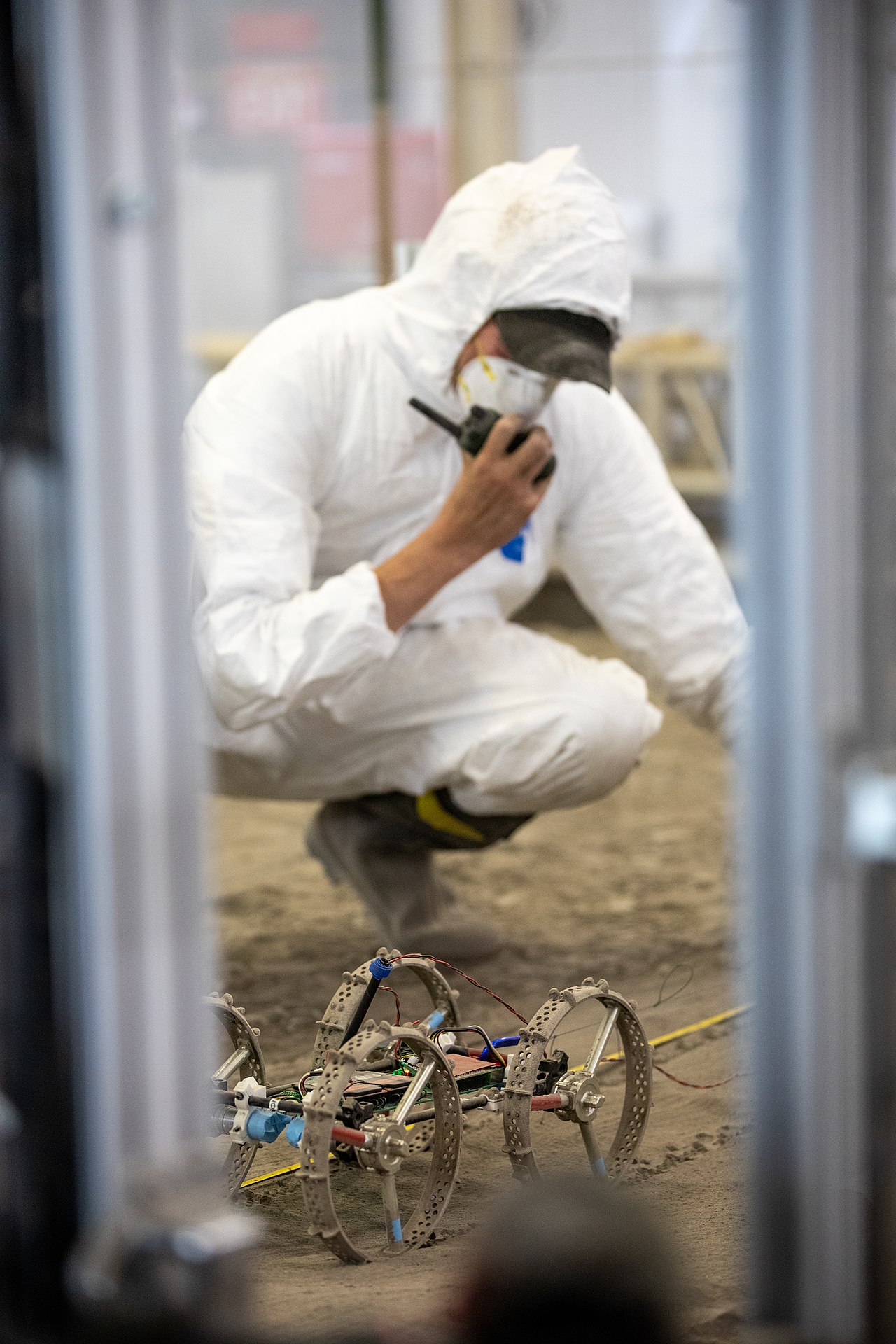
After a rigorous evaluation process, NASA selected five teams to advance to the final phase of the competition. These finalists were invited to present their prototypes to NASA engineers at the agency's Johnson Space Center in Houston, Texas, on July 31, 2025. The event provided a platform for the finalists to demonstrate the practicality and potential of their designs.
Global Participation
The diversity of the submissions is a testament to the global interest in space exploration. Participants came from 49 different countries, highlighting the international nature of lunar mission planning. According to Supply Chain Brain, this global participation not only brought a wide range of innovative ideas but also fostered a collaborative environment for space technology development.
Finalists' Presentations
The five finalist teams presented their prototypes at NASA's Johnson Space Center, showcasing the potential of their designs for the lunar rover. Each team had the opportunity to explain the unique features and benefits of their wheel designs, addressing the challenges of lunar terrain and mission requirements.
The presentations covered a range of innovative concepts, including advanced materials, unique wheel geometries, and intelligent systems designed to adapt to the lunar environment. According to Supply Chain Brain, the prototypes demonstrated a blend of cutting-edge technology and practical engineering solutions, setting a high standard for future lunar missions.
Implications for Lunar Missions
The success of this crowdsourcing campaign could have significant implications for future lunar missions. By leveraging the creativity and expertise of a global community, NASA aims to develop more robust and efficient solutions for lunar exploration. The designs presented at the final phase offer promising advancements in wheel technology, which could enhance the rover's mobility and operational capabilities on the moon.
Furthermore, this initiative aligns with NASA's broader goals of establishing a permanent presence on the moon. The new wheels are expected to play a crucial role in the success of these long-term missions, supporting scientific research and resource utilization on the lunar surface.
What This Means for Operators
The crowdsourcing campaign underscores the growing importance of collaborative innovation in space exploration. For operators involved in logistics and transportation, this trend suggests a need to adapt to new technological advancements. Companies supporting space missions may need to invest in emerging technologies and foster partnerships with innovators to stay competitive in the evolving space industry.
Additionally, the campaign highlights the potential for public engagement in complex technological projects. This could inspire operators to seek broader input and collaboration from diverse stakeholders, enhancing the effectiveness and reach of their operations.