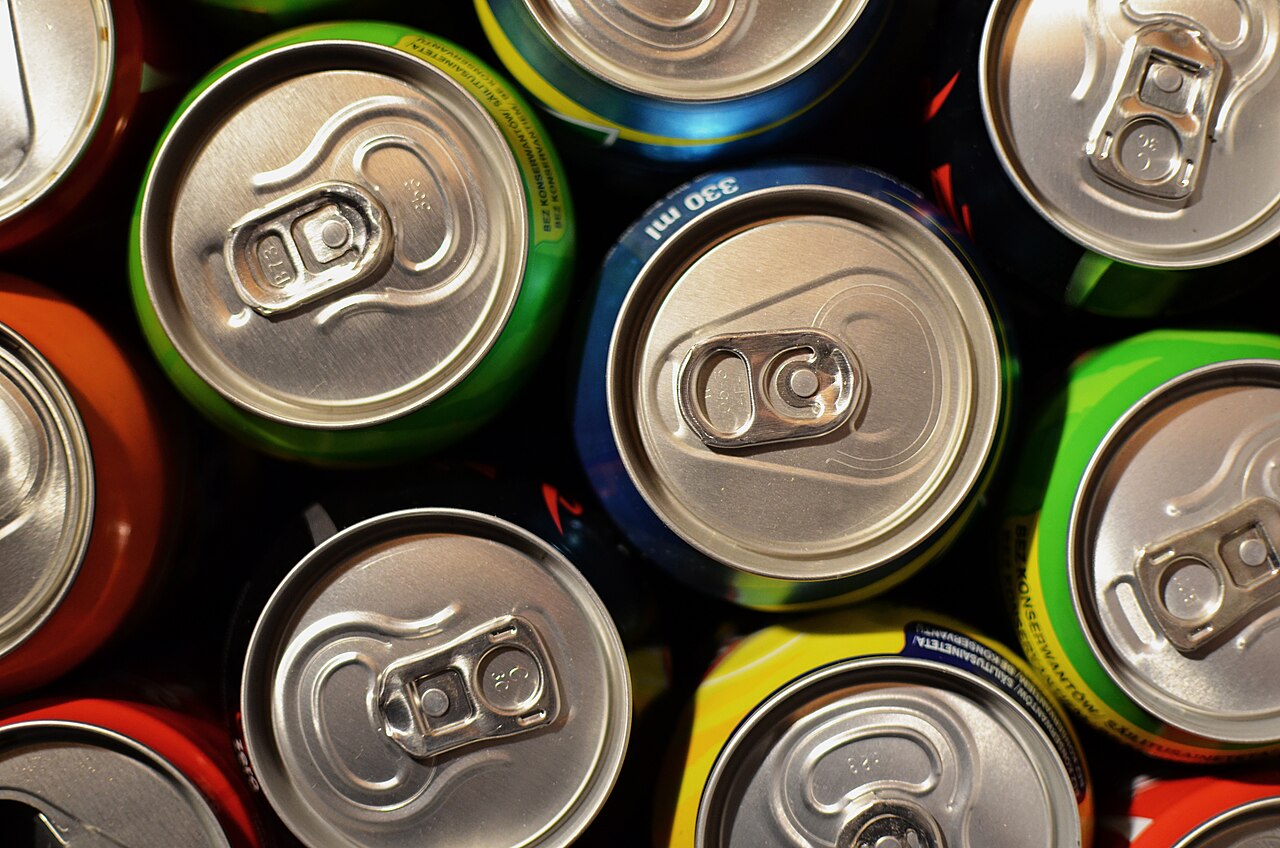
Aluminium cans and their separate ends (lids) are a cornerstone of modern food and beverage packaging. For procurement managers the challenge lies not only in price but in guaranteeing compliance with food‑contact regulations, material consistency, and supply reliability across continents. This guide walks you through the technical specification, supplier verification, risk mitigation for overseas sourcing, trade terms, lead‑time planning and three actionable tips that can be applied immediately.
Defining a Complete Technical Specification
The first step is to translate product requirements into a clear, measurable brief. A robust spec for cans (typically 330 ml, 440 ml or 500 ml) and ends should cover:
- Material grade: aluminium alloy series (e.g., AA3105 for bodies, AA5182 for ends). Mention tensile strength ranges if critical to your branding.
- Wall thickness: minimum and maximum microns; thin walls reduce material cost but must meet burst‑pressure tests.
- Printing tolerances: colour matching (Pantone references), line registration accuracy and allowable ink thickness.
- Performance tests: mandatory drop‑test height, internal pressure resistance at 30 °C, and seal integrity after a 24‑hour refrigeration cycle.
- Sustainability credentials: recycled aluminium content (e.g., minimum 30 % post‑consumer), ISO 14001 certification, and compliance with any producer‑responsibility schemes your company participates in.
Include the required internal coating (epoxy, polymeric) and any decorative lacquer colours. State whether a “BPA‑free” coating is mandatory – many buyers now require compliance with EU Regulation No 1935/2004, which obliges manufacturers to ensure that substances do not migrate into food.
Providing these details up front removes ambiguity and shortens the quotation cycle. Suppliers can then quote on a “like‑for‑like” basis rather than guessing at required performance.
How to Verify Supplier Capability
Once you have shortlisted potential partners, verification moves from paperwork to practical assessment. A systematic approach includes three layers: documentary compliance, on‑site audit and sample testing.
1. Documentary compliance: Request ISO 9001 (quality management) certificates, ISO 14001 (environmental), and any food‑safety schemes such as BRCGS Packaging or the GFSI‑recognised Safe Quality Food (SQF) certification. Confirm that their scope explicitly covers “metallic food containers”. Ask for a recent audit report – many third‑party auditors attach an “audit opinion” which you can review without breaching confidentiality.
2. On‑site audit: If the supplier is within reasonable travel distance, conduct a focused visit. Use a checklist (see below) to examine calibration of thickness gauges, coating application lines, and traceability records for alloy batch numbers. For distant suppliers, many certification bodies now offer virtual audits that still allow you to view live CCTV feeds of production zones.
3. Sample order: Place a pilot run sized to match your smallest commercial lot (often 5 000–10 000 cans). Specify the same quality checks you will use for full‑scale orders – burst pressure, internal coating migration testing (e.g., EU’s specific migration limits), and visual inspection of print alignment. Analyse the results against your spec; any deviation is a red flag before committing to larger volumes.
Typical Pitfalls When Sourcing From Overseas
The aluminium can market is truly global, with major producers in Europe, North America and Asia. While price differentials can be attractive, several recurring issues catch unprepared buyers:
- Inconsistent alloy composition: Some mills blend alloys to meet cost targets, which can affect formability and corrosion resistance. Without a certified melt‑sheet certificate you may receive cans that warp during filling.
- Regulatory mismatch: Certain Asian jurisdictions follow different migration testing protocols. A coating approved locally may not satisfy EU Regulation No 1935/2004, leading to product recalls after import.
- Communication lag: Time‑zone differences can delay response to quality alerts. Establish a single point of contact and agree on escalation timelines in the contract.
- Currency volatility: Fluctuating exchange rates affect landed cost. Consider forward contracts or price review clauses linked to a recognised index (e.g., LME aluminium price).
- Customs classification errors: Incorrect HS code can trigger higher duties or hold-ups at the border. The standard code for aluminium beverage cans is 7612 90, but ends are sometimes classified under 7615 80 – verify with your freight forwarder.
A proactive risk register that tracks these items helps you allocate mitigation resources before they become costly disruptions.
Choosing Incoterms and Planning Lead Times
The International Chamber of Commerce’s Incoterms define who bears transport, insurance and customs costs. For aluminium cans the most common choices are:
- CFR (Cost & Freight): Supplier pays to bring goods to the destination port; you arrange marine insurance. Suitable when you have a strong logistics team in-house.
- DPU (Delivered at Place Unloaded): Supplier delivers to your warehouse and unloads. This reduces your handling risk, especially for heavy bulk shipments.
- EXW (Ex Works): Supplier makes goods available at their premises; you control the entire freight chain. Use only when you have trusted forwarders in the supplier’s region.
Lead time calculation should separate two phases: production and logistics. Production lead time for a new die‑cut can design typically ranges from 8 to 12 weeks, depending on tooling complexity and capacity utilisation. Add another 2–4 weeks for coating curing and print set‑up.
Logistics adds variance based on mode:
- Sea freight: 30‑45 days from China or India to the UK; plus 3‑5 days for port handling.
- Rail/road (Eur‑Asia corridor): 20‑25 days, but requires coordination with multiple terminals.
- Air freight: Rarely used for bulk cans due to cost, but useful for urgent pilot runs – typically 2‑3 days door‑to‑door.
In practice, build a safety buffer of at least 10 % on total lead time to accommodate unexpected customs holds or equipment downtime. Align this buffer with your production planning system so that you never run below the minimum inventory required for line change‑over.
Three Practical Tips You Can Apply Today
- Standardise your spec template: Use a single Word or Excel file that captures alloy, thickness, coating, print and test requirements. Circulate this internally to R&D, quality and marketing before sending it out – it prevents last‑minute changes that can inflate cost.
- Require a “Certificate of Conformity” per batch: The supplier should issue a COF that references your spec number, batch code, melt sheet certificate and test results. Treat the COF as a contractual deliverable; non‑compliance triggers a formal deviation process.
- Set up a joint “first‑article inspection” (FAI) with the supplier’s quality team: Conduct the FAI at the supplier’s facility before the first full shipment leaves. Document every measurement and obtain sign‑off from both parties – this creates a shared baseline that simplifies later audits.
FAQ
What alloy is best for high‑pressure carbonated drinks? AA3105 provides good formability and strength, making it the industry standard for beverage cans that must withstand up to 6 bar internal pressure.
Do I need a separate coating certification for each product line? Yes. Each coating must be validated against the specific food type (acidic, alcoholic, oil‑based) and packaging temperature profile you intend to use, as required by EU Regulation No 1935/2004.
How often should I audit an overseas supplier? A full on‑site audit every 24 months is typical for ISO 9001‑certified plants; however, a remote surveillance audit annually helps catch early deviations.
Can I negotiate price based on recycled aluminium content? Suppliers often offer discounts for higher post‑consumer recycled percentages because it reduces raw material cost and aligns with sustainability targets – be clear about the minimum % you require.
What insurance coverage is advisable under DPU terms? Besides cargo insurance covering loss or damage in transit, consider product liability coverage that extends to any contamination arising from coating failure before the goods reach your warehouse.
This article is provided for general information and education. It does not replace professional advice.
Embedding Circular‑Economy Metrics into Your Sourcing Strategy
The aluminium can market is rapidly shifting from a linear “produce‑use‑discard” model to a circular framework that rewards recycled content, closed‑loop take‑back schemes and carbon‑footprint transparency. For buyers, this means embedding measurable sustainability KPIs directly into the supplier brief rather than treating them as after‑thought check‑boxes. Start by quantifying the minimum post‑consumer recycled aluminium (PCR) percentage you will accept – 30 % is a common baseline, but many multinational brands now demand ≥50 % to meet corporate net‑zero targets. Request a “Recycled Content Declaration” that traces each batch back to its source stream (e.g., beverage cans, automotive scrap) and includes the associated ISO 14021 recycled content label.
Beyond PCR, evaluate the supplier’s contribution to your Scope 3 emissions profile by demanding a life‑cycle assessment (LCA) for the specific can geometry you will purchase. The LCA should be performed according to the International Organization for Standardisation’s EN 15804 standard and must disclose embodied energy per kilogram of aluminium, CO₂e emissions from smelting, rolling and coating stages, as well as any renewable‑energy credits they have earned (such as RE100 participation). By comparing these data across multiple candidates you can rank suppliers not only on price but on carbon intensity – a decisive factor when negotiating long‑term contracts.
Another practical lever is the implementation of a take‑back or “reverse logistics” program. Ask prospective partners whether they operate an “end‑of‑life collection network” in your key markets, and request proof of recovery rates (e.g., 85 % of cans collected within six months). When such infrastructure exists, you can negotiate lower unit costs in exchange for committing a minimum volume of returned blanks that will re-enter their recycling stream. This creates a virtuous loop: the buyer reduces waste disposal fees, the supplier secures a steady feedstock, and both parties improve their ESG ratings.
Finally, incorporate contractual clauses that tie payment milestones to verified sustainability outcomes. For instance, a “green performance bonus” could be triggered when the supplier achieves an annual reduction of ≥5 % in CO₂e per tonne of product relative to a baseline year, or when they obtain third‑party certification such as the Aluminium Stewardship Initiative (ASI) Chain of Custody Level 2. By converting sustainability goals into enforceable financial incentives you ensure that circular‑economy ambitions are pursued with the same rigor as traditional quality and cost metrics.
Advanced Quality Assurance – From Incoming Inspection to In‑Process Monitoring
While a single pilot order can expose gross defects, high‑volume aluminium can programs demand a layered QA architecture that catches deviations in real time. The first layer is an incoming inspection protocol anchored on statistical sampling (ANSI/ASQC Z1.4) and on‑line dimensional verification using laser‑based thickness gauges calibrated to ±2 µm. Each lot should be accompanied by a melt‑sheet certificate, which you cross‑reference with the supplier’s internal alloy traceability matrix to confirm that the correct AA3105 (body) or AA5182 (end) batch was used.
Once material acceptance is confirmed, shift focus to in‑process monitoring. Modern can lines are equipped with Industry 4.0 sensors that feed data on coating thickness, oven temperature profiles and press‑forming pressures into a Manufacturing Execution System (MES). Require your supplier to grant you read‑only API access to this MES dashboard so you can set control limits for critical parameters – for example, a maximum deviation of 5 % from the target internal coating weight. When an out‑of‑limit event occurs, the system automatically flags the affected roll and halts downstream filling until corrective action is logged.
Complement sensor data with non‑destructive testing (NDT) on random samples every shift. Eddy‑current probes can detect subsurface cracks or delamination in ends before they propagate during carbonation pressurisation. Pair this with a rapid migration test kit (e.g., EU Specific Migration Limit swab) to verify that the coating does not leach prohibited substances under simulated storage conditions. Document all results in a digital Quality Management System (QMS) that supports traceability back to the original batch number, supplier lot code and production timestamp.
The final QA tier is a post‑delivery audit performed by an independent third party accredited to ISO 17025. This lab will execute full burst‑pressure tests, dimensional tolerance checks and comprehensive chemical migration analyses on a statistically valid sample of each shipment. Their certification report becomes a contractual deliverable; any failure triggers predefined penalties such as per‑unit price deductions or mandatory re‑run at the supplier’s expense. By integrating these four layers—incoming inspection, real‑time process control, shift‑level NDT, and external post‑shipment verification—you create a robust defense against quality excursions that could otherwise result in costly recalls, brand damage, and production downtime.