Accident details and immediate fallout
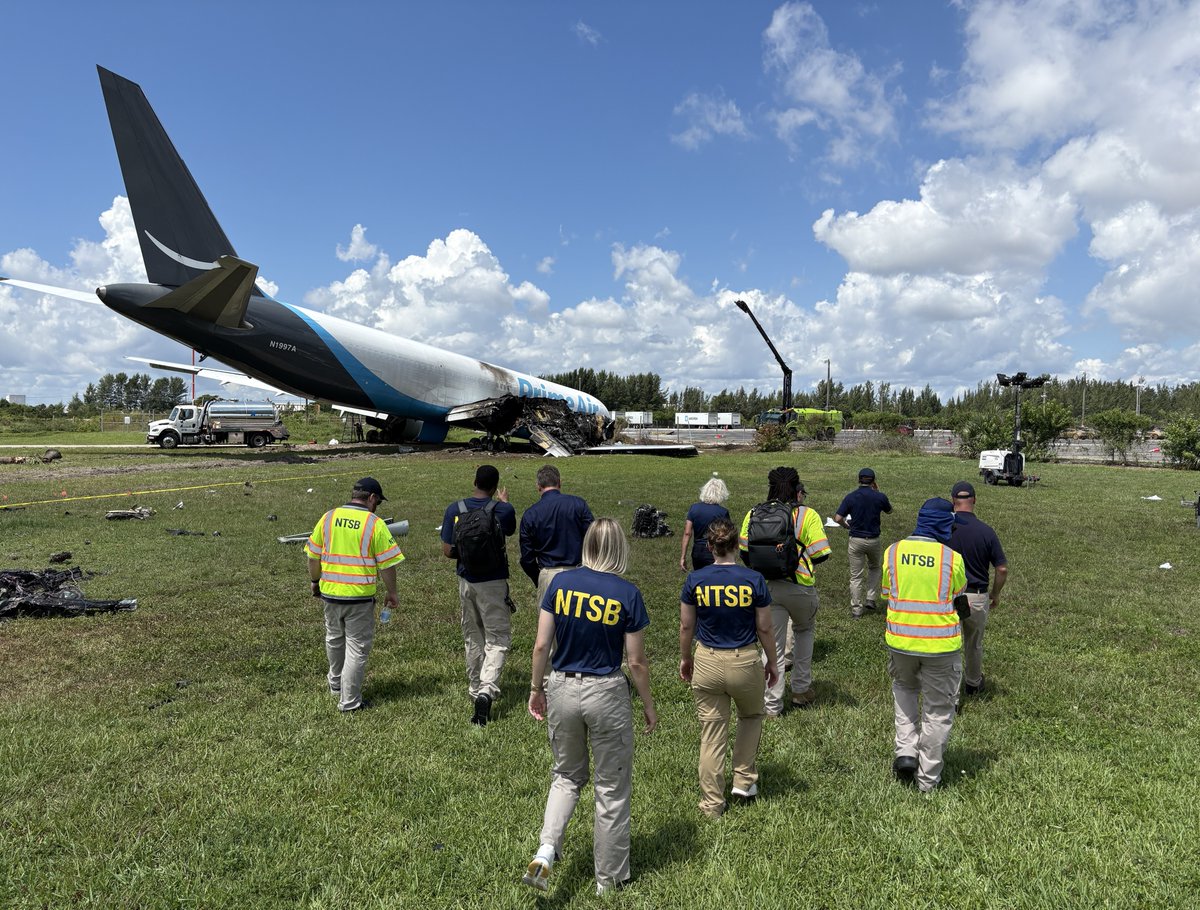
The incident occurred at approximately 2 p.m. local time on September 6 when a Boeing 767‑300 freighter, identified as Prime Air Flight 7598 and operated by 21 Air for Amazon.com Inc., overshot the runway at Miami International Airport (MIA). The aircraft was inbound from Luis Muñoz Marín International Airport in San Juan, Puerto Rico. Supply Chain Brain reports that the plane burst into flames after breaching the runway end and colliding with several vehicles positioned near the airfield, trapping occupants inside those vehicles.
The Federal Aviation Administration confirmed the overshoot, noting that at least five people were killed in the crash. The fiery wreckage forced airport authorities to shut down the affected runway for an indeterminate period, a particularly disruptive move given the timing of the busy Labor Day travel weekend.
Why cargo flights face heightened risk
The same Supply Chain Brain analysis points out that air‑cargo operations have historically suffered a proportionally higher accident rate than passenger services. Contributing factors include longer flight legs typical of freight routes and the use of older aircraft types, which together increase exposure to wear‑related failures.
Operational impact on Miami’s cargo hub
Despite the severity of the crash, Supply Chain Dive indicates that major integrators such as FedEx and DHL Express have resumed normal flight operations at MIA. However, the outlet cautions that reduced runway capacity could exert a longer‑term effect on overall air‑cargo throughput, especially if repairs or safety reviews extend beyond the immediate emergency response.
With one of Miami’s primary runways out of service, the airport is likely to prioritise passenger traffic and high‑value cargo movements. This reallocation may force forwarders to adjust schedules, seek alternative airports in the region, or shift loads onto maritime lanes to meet delivery commitments.
Broader implications for intermodal supply chains
The crash underscores the fragility of air‑cargo links that feed into major seaports. Miami International Airport serves as a critical gateway for containerised and break‑bulk shipments destined for the Port of Miami, one of the United States’ busiest cargo hubs. Any sustained reduction in air‑freight capacity can ripple through to maritime operations, influencing vessel loading plans, berth allocations and yard stowage strategies.
Logistics providers may need to reassess their risk mitigation tactics, including diversifying inbound routes, maintaining buffer inventory at nearby warehouses, and enhancing real‑time visibility across transport modes. The incident also highlights the importance of contingency planning for weather‑related or infrastructure disruptions that could compound an already constrained operational environment.
Regulatory and safety follow‑up
The Federal Aviation Administration is expected to launch a formal investigation into the cause of the runway overrun, examining factors such as aircraft performance data, pilot inputs and runway condition at the time of the incident. Findings could prompt revisions to cargo‑flight operating procedures, especially concerning older airframes like the Boeing 767‑300 freighter.
Industry stakeholders are watching closely for any mandated changes that might affect fleet utilisation, crew training requirements or maintenance schedules. Such regulatory outcomes may have downstream effects on capacity planning for both air and sea carriers that rely on synchronized multimodal networks.
What this means for operators
Maritime shippers should prepare for potential delays in cargo arriving via Miami’s air‑cargo channels by reviewing vessel berthing windows and confirming alternate discharge points. Forwarders are advised to keep an eye on runway restoration timelines and to communicate proactively with customers about possible shifts from air to sea freight.
Operators may also consider strengthening contracts with secondary airports—such as Fort Lauderdale‑Hollywood International or Jacksonville International—to preserve flexibility in case of future runway constraints at MIA. Enhanced visibility tools that integrate flight status, ground handling updates and vessel ETA data will become increasingly valuable for maintaining service reliability across the supply chain.
In summary, while the immediate impact on major integrators appears limited, the incident serves as a reminder that air‑cargo disruptions can quickly cascade into maritime operations, demanding robust contingency frameworks and agile response capabilities from all participants in the trade ecosystem.