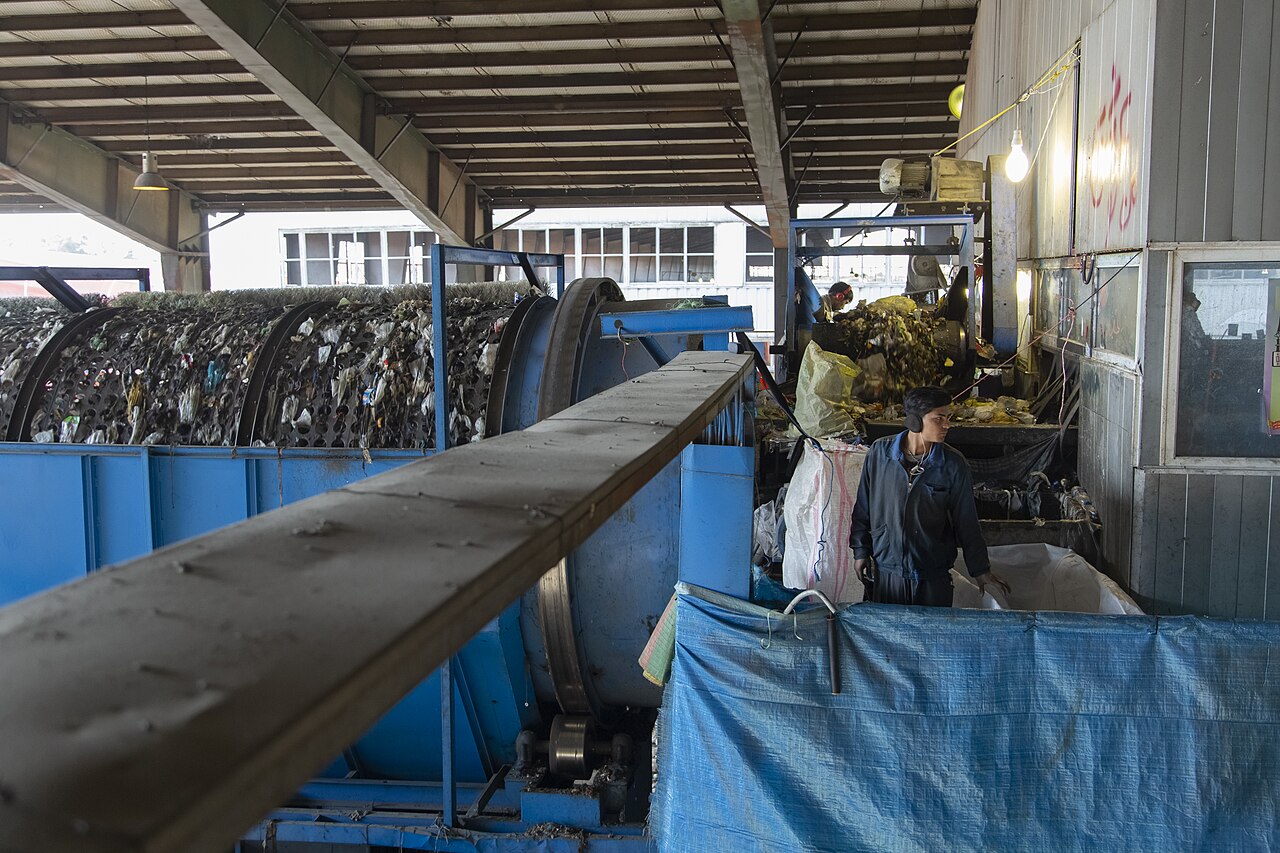
Best Buy, a leading consumer electronics retailer, has achieved a significant milestone in its commitment to sustainability by having 29 of its supply chain facilities certified as zero waste. According to Supply Chain Dive, the company’s facilities now meet stringent requirements for a resource use and efficiency certification, reflecting a comprehensive approach to reducing waste and enhancing operational sustainability. This certification covers a wide range of activities, including waste diversion, energy efficiency, and sustainable procurement practices.
Scope and Impact
The zero waste certification process involves a thorough evaluation of waste management practices at each facility. According to Supply Chain Dive, Best Buy's facilities now divert almost all waste from landfills, incinerators, and the environment. This includes implementing recycling programs, composting organic waste, and minimizing waste generation through efficient processes and materials management. The achievement spans across various Best Buy supply chain locations, indicating a company-wide commitment to sustainability.
Operational Practices
Best Buy's zero waste strategy includes several key operational practices. The company has invested in robust waste reduction programs, including recycling and composting initiatives. According to the company’s internal sustainability reports, these programs have significantly reduced the amount of waste sent to landfills. Best Buy also emphasizes the importance of sustainable procurement, working with suppliers to ensure the materials and products they use are sourced responsibly. This holistic approach ensures that waste reduction extends beyond the company's own operations to its supply chain partners.
Strategic Implications
The zero waste certification at Best Buy’s supply chain facilities underscores the growing importance of sustainable practices in the retail and manufacturing sectors. As consumers increasingly demand environmentally responsible products and practices, companies like Best Buy are taking proactive steps to meet these expectations. For ship operators, this means a greater emphasis on sustainable logistics and supply chain management. Vessels will need to adopt more eco-friendly practices, including reducing emissions, using renewable energy sources, and implementing waste management protocols that align with best industry practices. The success of Best Buy's zero waste initiatives highlights the potential for significant environmental benefits through strategic operational changes.
What this means for operators
The adoption of zero waste practices by Best Buy and its supply chain facilities has practical implications for maritime operators. Ship operators must consider integrating sustainable technologies and practices into their vessels to meet increasing demands for eco-friendliness. This includes adopting fuel-efficient routes, using cleaner fuels, and implementing waste management systems that align with industry standards. The success of Best Buy’s initiatives demonstrates that zero waste goals are achievable through a combination of strategic planning, operational efficiency, and collaboration with suppliers. As sustainability continues to grow in importance, ship operators must prioritize these efforts to remain competitive and meet the evolving expectations of environmentally conscious consumers.